
How to photograph what your child has outgrown
A good photo is the difference between an item that finds its next family in a day and one that sits waiting. It takes about two minutes and no equipment.
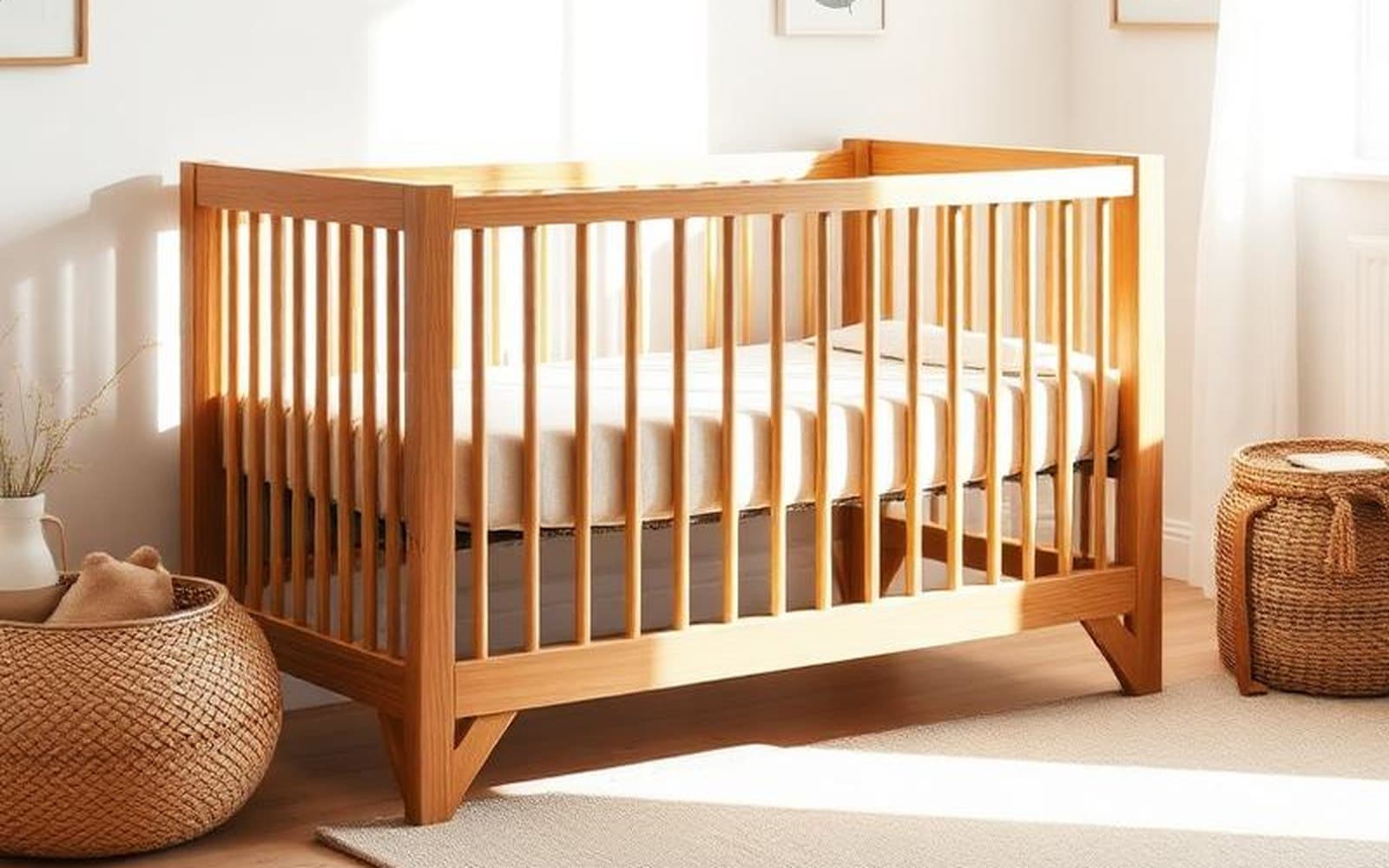
Every family has the same corner. A stroller behind the door, a high chair in the hallway, a box of barely worn shoes. The things are good. Someone nearby needs them. The only thing standing between the two is a photograph.
The good news is that a photograph that works takes about two minutes, and you already own everything you need.
Put the light behind you, not behind the item
This is the single change that improves most photos.
Stand with a window behind you so the light falls onto the item and onto your back. If the window is behind the item instead, your camera reads all that brightness and darkens everything in front of it. You end up with a grey silhouette of a stroller that looked perfectly good in the room.
Daylight is enough. You do not need a lamp, a ring light or a flash, and the flash usually makes things worse by flattening the texture of fabric and wood.
Clear the background
Move the item to the emptiest wall in your home and photograph it there. A plain background does two things: it makes the item look considered rather than discarded, and it stops the eye wandering to the laundry pile.
You do not need a white studio. A blank wall, a wooden floor or a plain rug is plenty.
Show the truth, including the marks
It is tempting to photograph the good side only. Resist it.
Photograph any scuff, stain, missing part or repair, deliberately and in focus. This feels counterintuitive, but it is the thing that makes an exchange go smoothly. The family receiving the item has already seen the mark, so nothing is a surprise when the box is opened, and nobody feels misled.
An honest photo of a small flaw builds more trust than five flattering ones.
Take these four
For most items, four photos are enough:
- The whole item, straight on, from a step or two back
- The item from the side or the back
- One close-up of the part that matters most, the fabric, the mechanism, the sole of the shoe
- One close-up of any wear
If the item folds, comes apart or converts, add one photo of it in its other state. Parents want to know how it will fit in a car.
Photograph the real thing
This one matters more than it sounds.
Use a photo of your actual item, taken by you. Never a picture from a shop listing or from the internet. The manufacturer photo shows a product in perfect condition under studio lighting, which is not what you are passing on, and the family at the other end has no way to see what they are really receiving.
It is also the fastest way to lose the trust of a community this small.
A note on what not to include
Keep children out of the frame, along with faces, house numbers, documents and anything with an address on it. The item is what is being shared, not your home.
What happens next
Once you upload, Gleam It cleans the background, writes a first draft of the description and suggests a points value based on what the item cost new and the condition you selected. You read it, change anything that is not right, and publish.
The photograph is the part only you can do. Everything after it is handled.